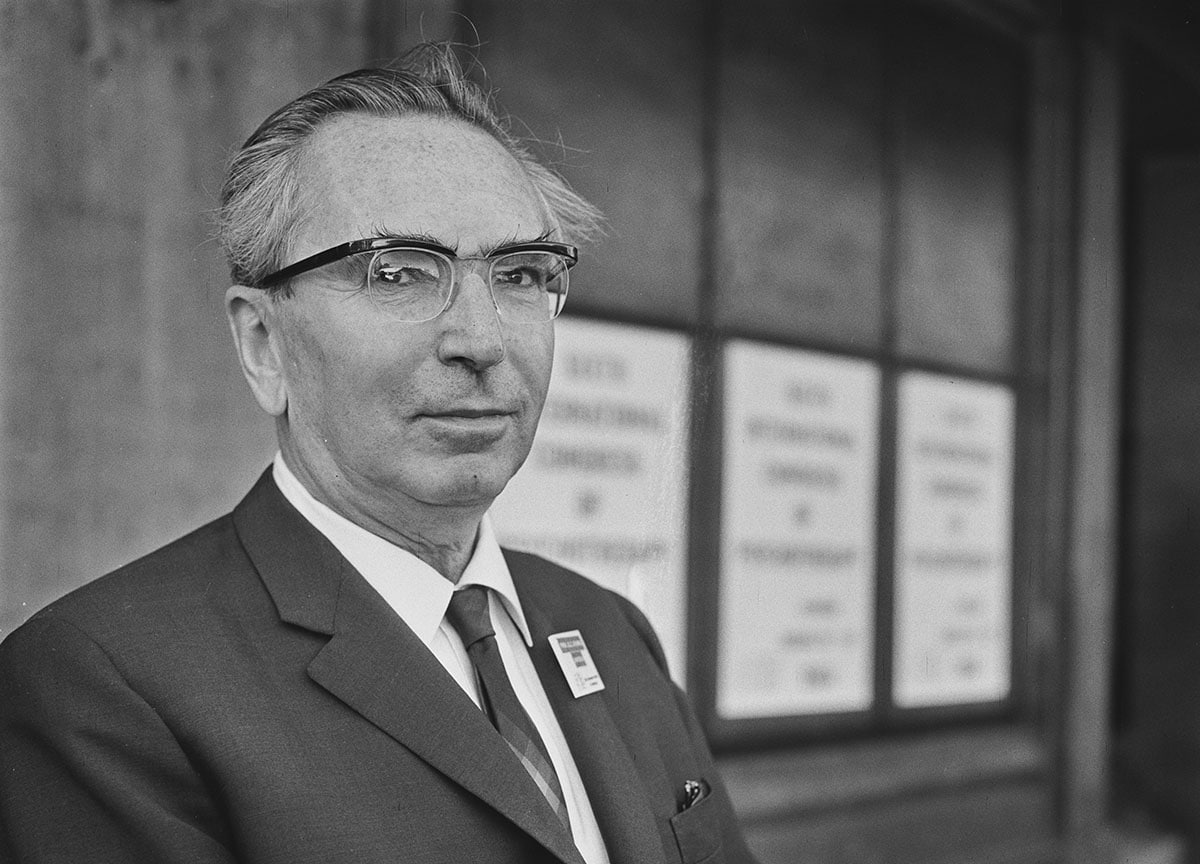
In 1942, an Austrian neurologist and psychiatrist named Viktor Frankl was arrested by the Nazis and deported to a concentration camp.
Before the war, Frankl had been a respected doctor in Vienna with a promising career. In a matter of days, everything was taken from him—his home, his work, his freedom, and eventually most of his family. Over the next three years, Frankl was imprisoned in several camps, including Auschwitz and Dachau.
Life in the camps was brutal beyond imagination. Prisoners were starved, forced into exhausting labor, and constantly subjected to humiliation and violence.
Frankl later wrote that the guards stripped prisoners of everything—clothes, possessions, names, and dignity. They were reduced to numbers. In those conditions, many prisoners lost hope and quickly deteriorated.
But as Frankl observed life in the camps, he began noticing something remarkable. Even in the worst circumstances imaginable, people still had a choice in how they responded.
Some prisoners became bitter, cruel, or despairing. Others shared their last piece of bread, comforted fellow prisoners, or maintained a quiet dignity despite their suffering.
Frankl realized that while the Nazis could take almost everything from a person, they could not take away one final freedom: the freedom to choose one’s attitude.
After the war, Frankl wrote about this experience in his famous book Man’s Search for Meaning. In it, he reflected on what helped people endure such suffering. The prisoners most likely to survive were not necessarily the strongest physically. They were often the ones who believed their lives still had meaning and purpose, even in the midst of unimaginable pain.
From these experiences, Frankl developed a psychological approach he called logotherapy, based on the idea that the primary human drive is the search for meaning. When people believe their suffering has meaning, they can endure far more than they ever imagined.
Frankl summarized the lesson this way: “When we are no longer able to change a situation, we are challenged to change ourselves.”
Takeaway: Christians can experience suffering differently from everyone else because we know it has an ultimate purpose.
Source: This is a summary of Frankl’s story from his book, Man’s Search for Meaning.